Your commute shapes your days in Montclair. It affects when you wake up, which neighborhoods feel right, and how much energy you have when you get home. With strong rail and bus options into New York City and Newark, many locals build their routines around transit. In fact, a meaningful share of residents ride public transportation and the average commute runs longer than the national norm, which makes a smart mode choice even more important according to Census QuickFacts and ACS-based summaries.
Why Your Montclair Commute Choice Matters
Choosing between train and bus changes your daily budget, timing, and neighborhood shortlist. Trains can offer a predictable rhythm and built-in time to read or work. Buses can feel closer to home and more flexible, especially if a stop is around the corner. This guide gives you a clear, side-by-side view so you can pick the option that fits your routine.
Train Commute: What to Expect
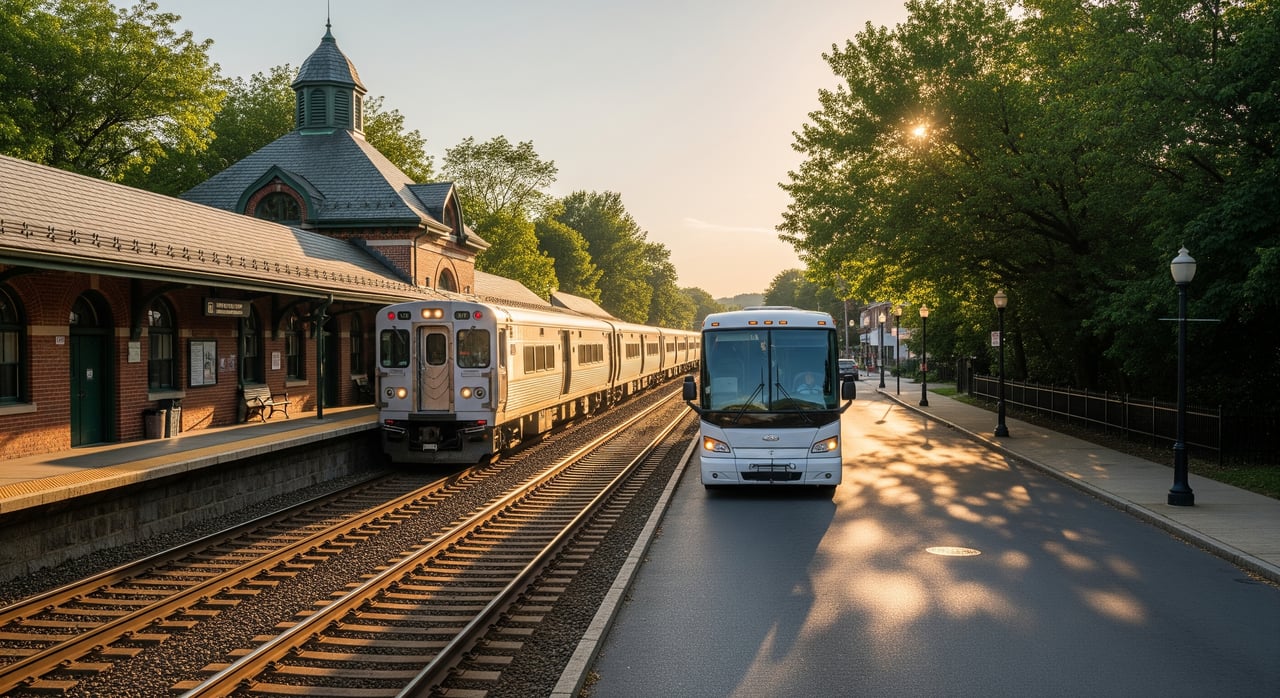
Montclair sits on the NJ Transit Montclair–Boonton Line with multiple in-town stations. Peak-hour service patterns are designed for Midtown and Hoboken access and give many commuters a consistent schedule to plan around per the Township’s transit overview and NJ Transit history of the Montclair Connection. Typical one-way travel times to New York Penn on direct peak trains can land around the low 40-minute range depending on station and schedule, but always check the current timetable or trip planner for your specific train see example trip ranges.
Who the Train Suits Best
- You prefer a set schedule and like planning your day around a predictable timetable.
- You value a quiet seat to read, answer emails, or decompress.
- You live within walking distance of a station or have reliable parking or drop-off.
Pros and Cons at a Glance
- Pros:
- Predictable peak-hour travel and direct Midtown trains on many runs per NJ Transit service history.
- Comfortable ride with space to work or relax.
- Multiple stations across town for broader access as listed by the Township.
- Cons:
- Off-peak and weekend service can be less frequent; some trips require a transfer see service advisories context.
- Station parking can have waitlists and monthly fees per Parking Utility guidance.
- Fares are zone-based and subject to periodic increases; confirm current rates per NJ Transit fare updates.
Tickets, Parking, and Routine Basics
- Tickets and passes: Rail fares use zones; monthly passes can be cost-effective if you commute most weekdays. Always check current pricing before deciding via NJ Transit schedules and fares.
- Parking: Many commuter lots require permits and some have waitlists. Bay Street and other facilities publish rules and fees on the Township site see Parking Permits and commuter parking notes.
- Flow: Peak trains are frequent and feel most predictable. Build in buffer time for possible advisories or track work and monitor NJ Transit alerts when planning your day service advisories.
Bus Commute: What to Expect
Bus commuting serves a wide range of riders in Montclair. Public NJ Transit routes run along major corridors, and private reservation-based carriers operate direct Midtown runs with reserved seats and onboard amenities. The mix has shifted in recent years, with private services expanding to fill gaps after legacy changes per Township updates and local reporting on private providers stepping in see Montclair Local coverage.
Who the Bus Suits Best
- You want a stop closer to home and prefer a simple board-and-go routine.
- Your work hours vary and you value flexible options.
- You like the idea of reserved seating and direct Midtown drop-offs on certain private runs.
Pros and Cons at a Glance
- Pros:
- Potentially closer pickup points and direct Midtown curbside or terminal arrivals.
- Private carriers offer guaranteed seats and comfort features like Wi‑Fi and power see Boxcar overview.
- No station parking needed, which can simplify your morning.
- Cons:
- Subject to highway traffic and weather variability during peak congestion.
- Service patterns and pricing can change; private fares often differ from public transit.
- Public bus frequency varies by route and time; confirm current schedules NJ Transit bus fare charts and schedules.
Fares, Stops, and Daily Rhythm
- Fares: Public bus fares are zone-based, with single-ride and pass options. Private carriers charge per-ride with membership or multipack pricing. Fare changes at NJ Transit also affect the train-vs-bus math over time see AP coverage of fare adjustments.
- Stops: Identify the nearest stop to home and your ideal drop-off in Manhattan. Private services may provide Midtown curbside stops that cut walking time Boxcar Essex Express.
- Rhythm: Leave a small buffer for traffic swings, especially on rainy or snowy days. If you stand during peak on public routes, consider earlier departures or alternative stops.
Train vs. Bus: Side-by-Side Comparison
Time and Reliability
- Train: Often the most predictable during peak periods, particularly on direct Midtown trains. Off-peak and weekend frequency can be lower, and occasional track work can affect timing NJ Transit advisories.
- Bus: Door-to-door can be faster if you are near a pickup and the drop-off is close to your office. Traffic introduces variability, so plan buffer time for the return trip on busy evenings local context.
Cost and Convenience
- Train: Monthly passes can be efficient for frequent commuters. Add parking costs if you drive to a station and consider permit availability Parking Utility.
- Bus: Public bus can be budget-friendly in some cases. Private carriers cost more but include reserved seating and amenities. Compare monthly totals to see what fits your schedule and budget NJ Transit fares and Boxcar info.
Comfort and Productivity
- Train: Usually better for reading or working quietly. Seating is common, especially off-peak.
- Bus: Private coaches offer guaranteed seats and comfort features. Public buses can be standing-room at peak.
Flexibility and Backup Plans
- Train: You can shift to a different station, use rideshare if parking fills, or pivot to public bus when advisories appear station-level info.
- Bus: If traffic is heavy or a departure is full, you can catch the next run, use an alternate stop, or switch to rail. Montclair has explored local shuttles to strengthen last‑mile options, which could improve backups if implemented municipal survey context.
Match Your Commute to Neighborhood Fit
Proximity to Transit vs. Home Features
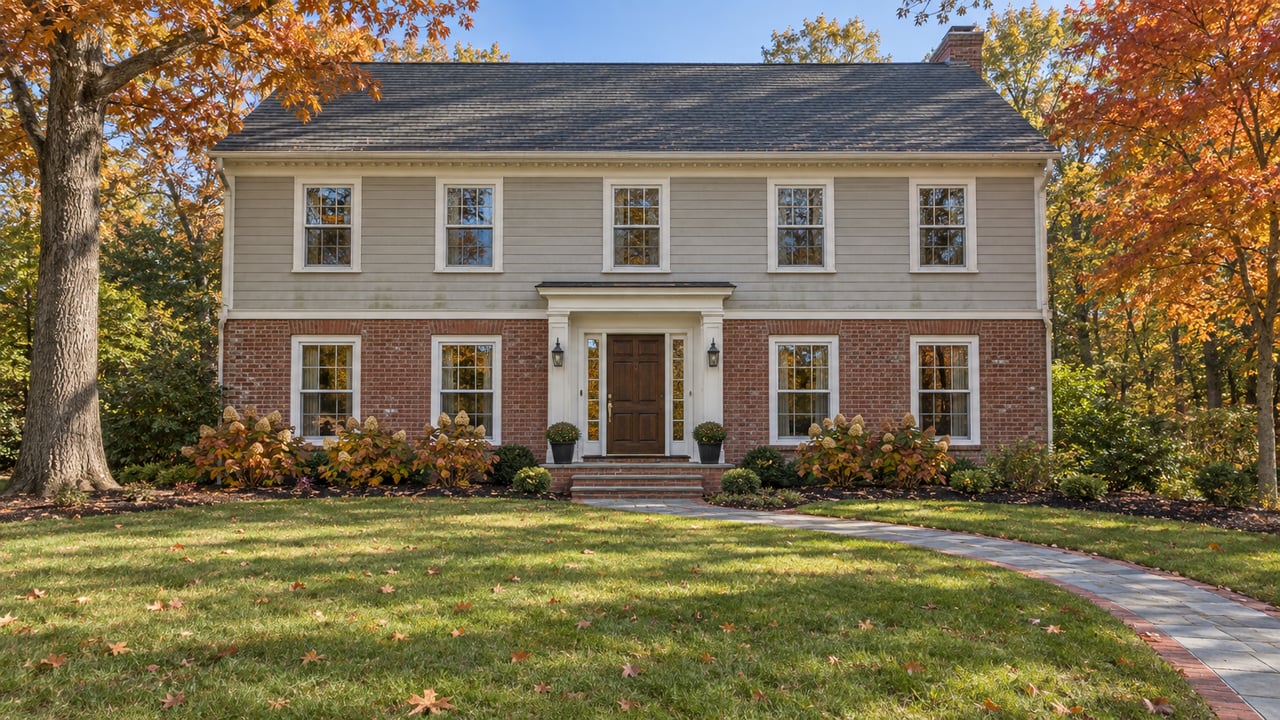
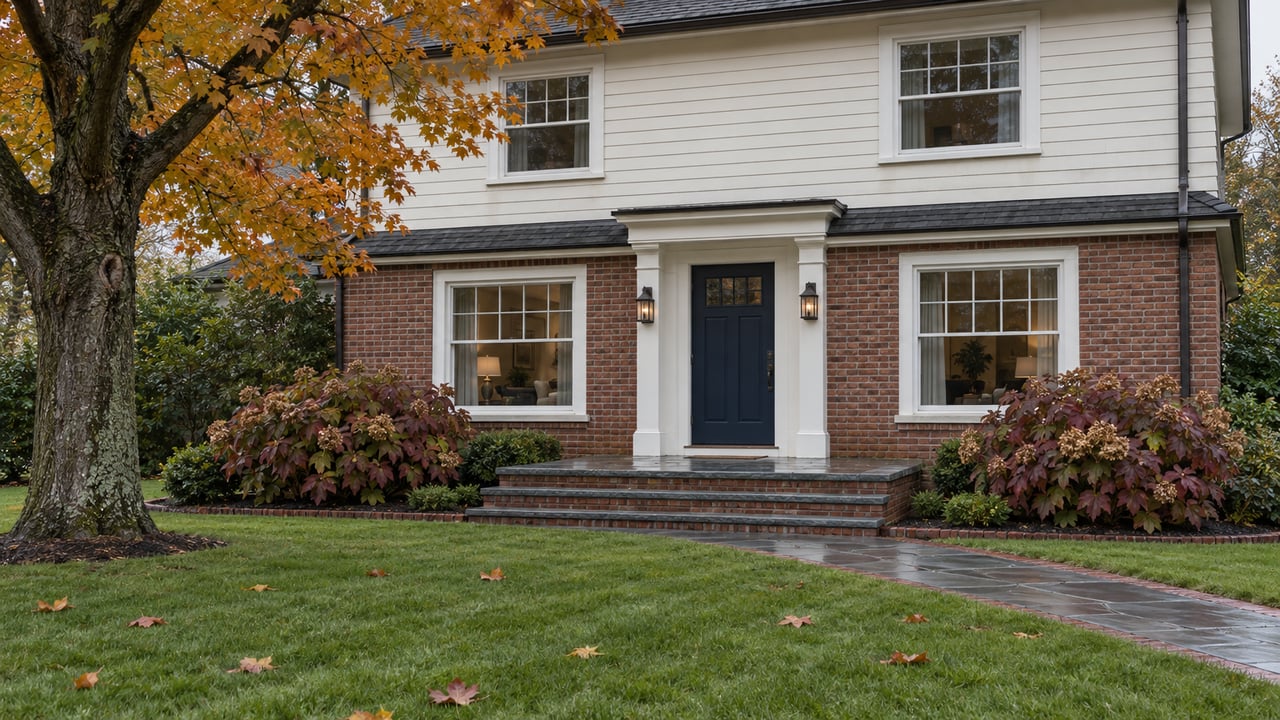
Living near a station or bus stop can save time, but you might trade yard size or a quieter street. If space, a larger driveway, or a cul-de-sac setting matter most, confirm whether the added drive to a station or bus stop still works for your morning.
Parking, Walkability, and School Schedules
If you plan to drive to a station, research permit availability and daily options early Parking Permits. Families juggling school drop-off and pickup may prefer the mode that lines up with bell times and after-school activities. Sidewalks and safe crossings also matter if kids walk with you to a stop.
Hybrid Work and Seasonal Considerations
Hybrid schedules change the math. If you go in two or three days a week, a monthly rail pass might not be necessary and a pay-as-you-go bus or occasional-ride train routine could be better. Weather and daylight also influence your choice. In winter, earlier sunsets and slick roads can make predictable rail timing appealing, while in summer a close-by bus stop can be the simplest solution.
How to Decide: A Simple Playbook
Questions to Ask Before You Commit
- What matters most: time, cost, comfort, or flexibility?
- How close are you to each station or stop, and do you need parking?
- Are your office hours predictable or variable?
- Do you want a guaranteed seat and a quieter commute, or a nearby pickup and straightforward ride?
- What is your backup plan for service changes or weather?
Test-Drive Your Route
- Do a peak and an off-peak trial on both modes within the same week.
- Time door-to-door, including walks, waits, and transfers.
- Note how each option feels. Were you standing or seated? Did you arrive early or stressed?
- Check real-time schedules and alerts while you test to see how each mode handles disruptions NJ Transit schedules and alerts.
Budgeting and Time Tradeoffs
- Add up all-in costs: fares or passes, parking or rideshare, and any private bus memberships.
- Compare the monthly total to the time you save or the comfort you gain.
- Remember that fare environments change, so build a little cushion in your budget AP fare context.
Get Local Guidance for a Smarter Move
Your commute should support your life, not run it. If you are weighing station walkability against yard size, or private bus comfort against rail predictability, let’s map it out together. Request a neighborhood tour that overlays listings with station and stop access, parking options, and peak-hour travel windows. To align your move with your commute, Request a Free Home Valuation & Local Market Consultation with Joe Simone. You will get hyperlocal guidance and a clear plan that fits your routine.
FAQs
How many people in Montclair use transit?
- Roughly one in five commuters use public transportation, depending on the year and dataset, reflecting strong local transit habits ACS-based summary.
How long is the typical Montclair commute?
- Average commute time runs in the mid-30 minutes, longer than the national average, which makes mode choice meaningful Census QuickFacts.
Which stations serve Montclair?
- The Township lists six NJ Transit stations in town, with amenities and access that vary by location Township overview.
Are there direct trains to Midtown?
- Peak patterns include direct Midtown service on many trains; always verify the current timetable and advisories before your trip NJ Transit history and advisories.
What happened to the old private commuter buses?
- A long-running private operator ended commuter service in 2023. Private services expanded to fill gaps and now offer reserved seating and amenities on certain routes Township update and local reporting.
How do parking permits work for stations?
- Many commuter lots require permits and may have waitlists. The Township posts categories, fees, and availability updates online Parking Utility.
Do fares change often?
- Yes. NJ Transit adjusts fares periodically, which affects monthly math for train and bus riders. Check current pricing before you decide NJ Transit fares and AP coverage.
What if my schedule changes week to week?
- Consider mixing modes. Many commuters keep a rail plan for peak predictability and a private or public bus as a flexible backup. Watch for service alerts and, if available, local shuttles to improve last‑mile options municipal survey context.