Thinking about trading your subway routine for more space, tree-lined streets, and a quick rail ride to Manhattan? If Montclair keeps popping up in your search, you’re not alone. Many NYC buyers and renters look here for a richer day-to-day lifestyle without losing easy access to the city. In this guide, you’ll learn what changes when you move from NYC to Montclair: costs, commute times, neighborhoods, schools, and how daily life actually feels. Let’s dive in.
Why Montclair draws NYC movers
Montclair sits in Essex County about 12 miles from Midtown, perched along the Watchung Mountains with spots that offer Manhattan skyline views. It covers just 6.24 square miles, which helps keep neighborhoods connected and lively. You can learn more about the township’s location and history on the Montclair overview page.
The 2020 Census counted 40,921 residents, with 2024 estimates just over 41,000. Educational attainment is high, with about 74% of adults holding a bachelor’s degree or higher, and the owner-occupied rate is around 57%. You can review these figures in the U.S. Census QuickFacts.
Culture and food are big parts of the draw. Montclair’s arts calendar is active year-round, anchored by organizations like Montclair Film and a network of galleries and venues. Downtown’s Montclair Center district is the walkable core for dining, shopping, and events, supported by a Business Improvement District that keeps the area vibrant. Explore what’s happening on the Montclair Center BID site.
Housing and costs: what changes
Home types and neighborhoods
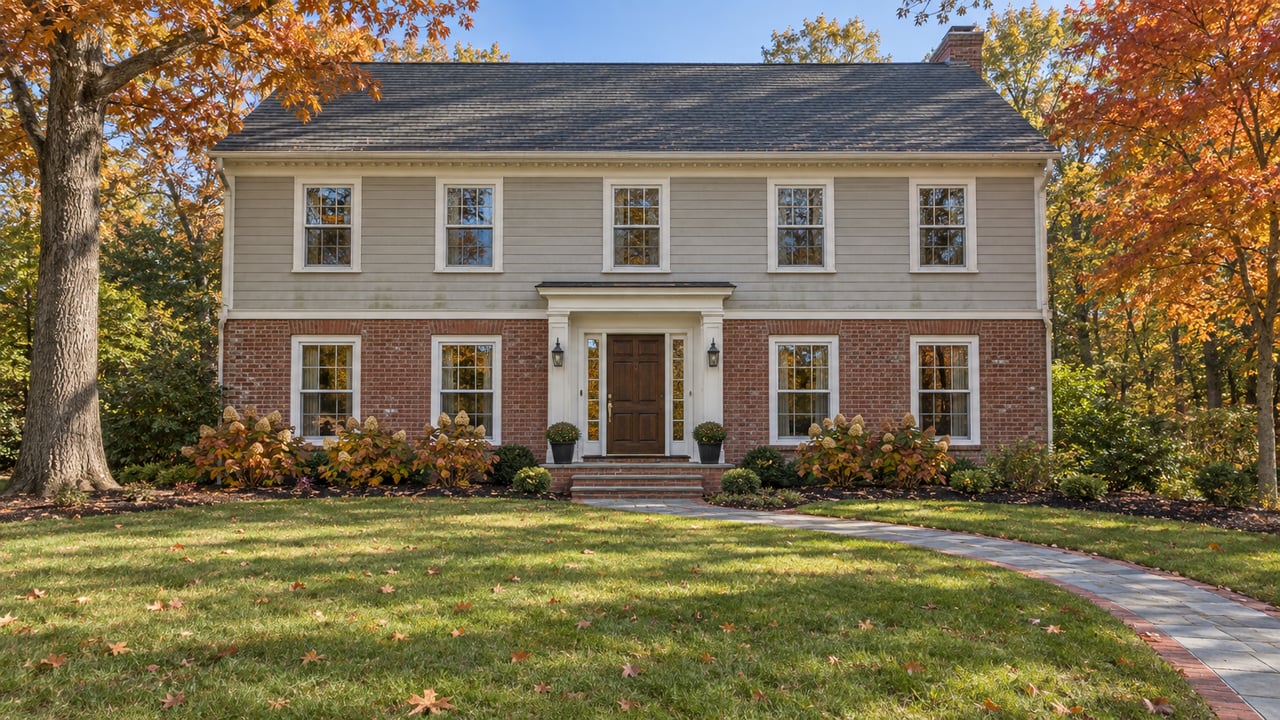
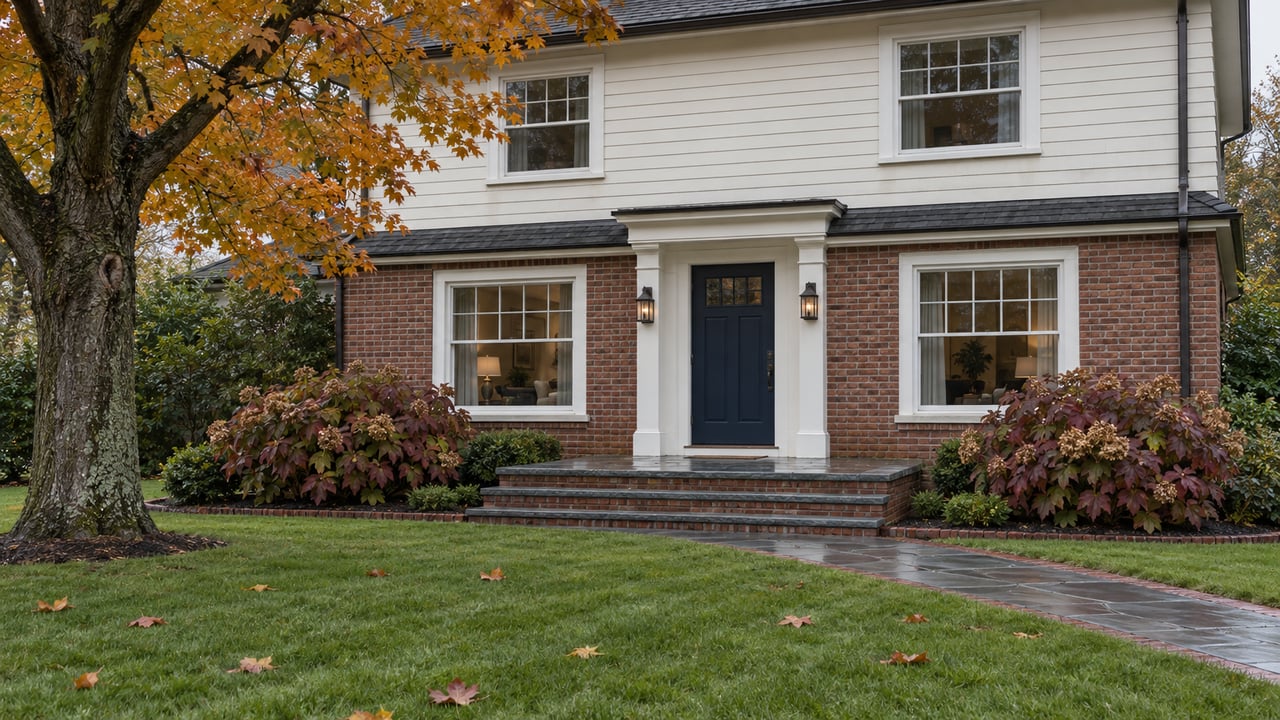
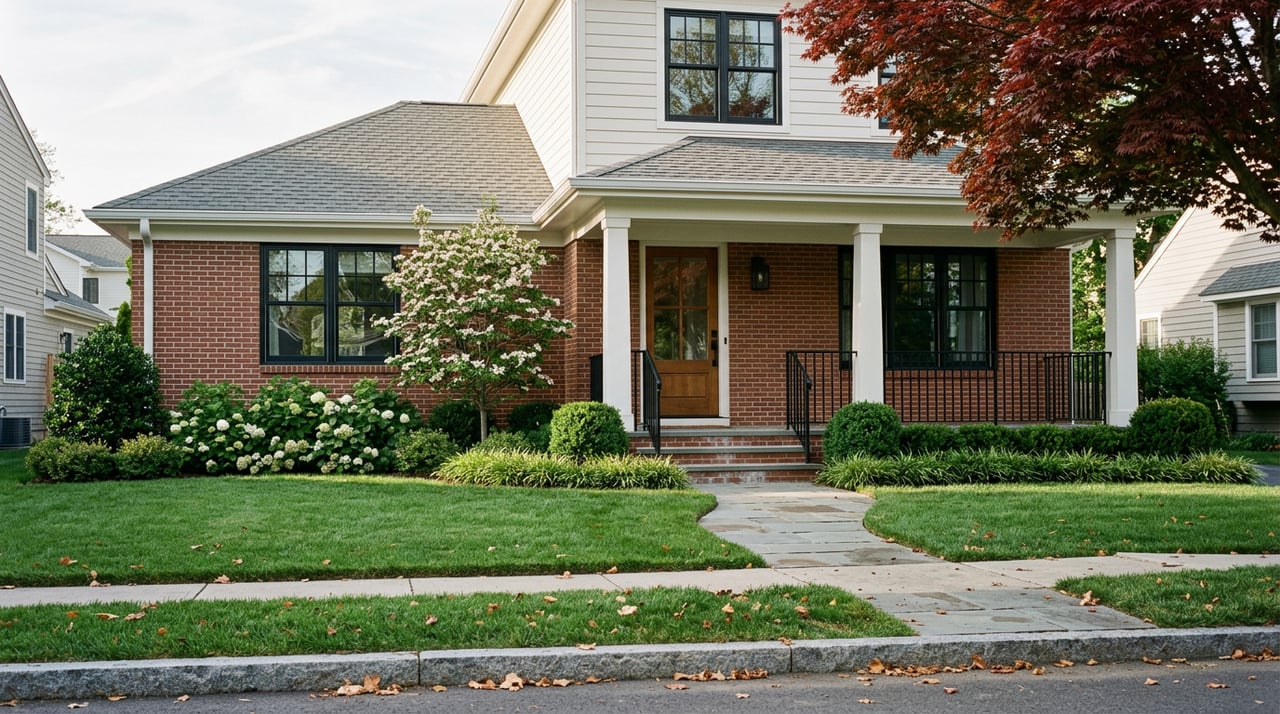
Montclair’s housing is rich in early 20th-century architecture, including Victorian, Colonial, and Tudor-style homes, plus midcentury properties, newer builds, converted condos, and apartment communities near transit and the downtown core. Upper Montclair tends to feel more suburban in character, while Montclair Center and the Walnut Street and Bay Street areas lean more urban and walkable. For a broad snapshot of neighborhood character, see the town’s general profile and the Montclair Center BID.
Prices and inventory
In early 2026, market trackers showed typical Montclair home values in the $1.1 million to $1.4 million range. These are townwide figures and can vary by neighborhood and property type. Entry-level single-family options are limited compared with many suburbs. More budget-friendly paths often include condos, smaller homes, or places that need renovation. Always confirm current pricing before you tour so you can move fast on the right fit.
Rents and short-term budgets
Typical 1 to 2 bedroom asking rents often land in the mid $2,000s to low $3,000s, with higher prices in premium pockets and for larger or updated rentals. Inventory swings can make rents volatile, so track listings closely, set alerts, and be ready with documents if you find a match. If you plan to rent first, consider commute access and parking options while you learn the market.
Taxes and total monthly costs
New Jersey is known for higher property taxes, and Montclair is above even the state average. The township’s average residential property tax bill in 2024 was $21,635, according to the state’s latest report. You can review that figure in the NJ Treasury summary. When you compare NYC to Montclair, look beyond list price. Build a full monthly budget that includes mortgage, insurance, property taxes, utilities, parking, and transit. That side-by-side view gives you a clear sense of your true monthly cash flow.
Commuting from Montclair
Trains and buses
Montclair is served by the NJ TRANSIT Montclair–Boonton Line, with several in-town stations including Bay Street, Walnut Street, Watchung Avenue, Mountain Avenue, Upper Montclair, Montclair Heights, and Montclair State University. The township’s transit guide notes that trains to New York Penn Station are commonly about 45 minutes depending on the station and service. Interstate bus service to the Port Authority is another option, with trips often around an hour depending on traffic and boarding point. Service patterns can differ by weekday and weekend. You can review routes and tips in the Montclair transit guide.
Door-to-door time and costs
NJ TRANSIT uses a zone-based system with monthly passes and pay-per-ride options. Build your commute model using your nearest station, potential parking, and any PATH or subway transfers you might need on the Manhattan side. Check current fare rules directly with NJ TRANSIT’s ticket information. Then time a real commute during the hours you plan to travel. Knowing your exact door-to-door routine makes move-in decisions easier.
Daily life: what it feels like
Downtowns, dining, and shopping
Montclair Center is the main downtown where you’ll find a high concentration of restaurants, coffee shops, fitness studios, services, and boutiques. It is also the town’s event hub, with seasonal programs and local festivals. Beyond the center, Upper Montclair, Watchung Plaza, and South End each offer smaller retail clusters and services. For a sense of the calendar and merchant mix, explore the Montclair Center BID.
Parks and outdoor space
If you’re craving more green space than you had in the city, you’ll find it. Local and county parks offer playing fields, gardens, and walking trails. Landmarks like Mountainside Park, the Presby Memorial Iris Gardens, and the Alonzo Bonsal Wildlife Preserve are popular, and Eagle Rock Reservation is nearby for bigger views and trail time. You can browse general park references and town highlights on the Montclair overview page.
Schools and family services
Montclair Public Schools operate seven elementary schools, three middle schools, and one high school. The district includes magnet programs and a range of specialized options that many families value. Because enrollment rules and offerings can change, verify current information and explore touring options directly with the Montclair Public Schools. You’ll also find private and parochial options in and around town.
Groceries, healthcare, and errands
You’ll find national and local grocery stores along Bloomfield Avenue and nearby corridors, plus specialty food shops and weekly routines like farmers markets in season. Healthcare services are available in town and at nearby regional hospitals. Montclair is more suburban in its daily rhythm, so many households keep a car even if they take the train to work. If you want to go car-light, consider living near a central station or the downtown core and test your errands loop before you decide.
Pros and trade-offs for NYC movers
Pros
- More living space for your dollar compared with many Manhattan apartments.
- Tree-lined streets, private yards, and quick access to parks and trails.
- A strong arts and dining scene for a suburb, with an active year-round calendar.
- Multiple rail stations and bus options into Manhattan for commuters.
Trade-offs
- Higher recurring homeowner costs due to New Jersey property taxes. Montclair’s average bill was $21,635 in 2024, per the NJ Treasury.
- Transit frequency and late-night options differ from NYC’s subway. You may rely more on driving, rideshare, or local buses for cross-town trips.
- Entry-level single-family homes can be scarce, so competition and preparation matter.
How to test-drive Montclair
- Visit on a weekday and a weekend. Ride the exact train you would take and time the door-to-door commute, including your walk, platform wait, and transfer. The Montclair transit guide and NJ TRANSIT ticket info help you plan.
- Walk key neighborhoods. Tour Montclair Center, Upper Montclair, Watchung Plaza, and South End. Note sidewalks, grocery access, parking, and your overall feel. The Montclair Center BID lists current merchants and events.
- Run the numbers. Build a monthly budget with mortgage, property taxes, insurance, utilities, parking, and transit. Use the state’s average tax data as a baseline, then estimate taxes for specific addresses.
- Investigate schools early. Review magnet programs, enrollment rules, and touring options with the Montclair Public Schools.
- Track the market in real time. Pricing and rents move quickly. Set alerts, tour early, and lean on a local advisor who knows on- and off-market opportunities.
Ready to explore Montclair with a trusted North Jersey advisor by your side? With three decades of experience and a proven track record across the region, Joe Simone can help you compare neighborhoods, understand taxes and transit, and move with confidence.
FAQs
Costs for NYC movers: Is Montclair cheaper than Manhattan?
- Not always. You may get more space for your money, but New Jersey property taxes are a major factor. Compare full monthly costs, including property taxes, using the state’s average tax data for context.
Commute options: Can I get to Manhattan easily after work?
- Yes, by rail or bus, but service frequency and late-night options differ from the subway. Review schedules and trip times in the Montclair transit guide and test your actual time window.
School overview: How do Montclair’s public schools work?
- The district has seven elementary schools, three middle schools, and one high school with magnet options. Check programs and enrollment steps directly with the Montclair Public Schools.
Daily living: Do I need a car in Montclair?
- Many residents keep a car for errands and cross-town trips, though living near Montclair Center or a rail station can support a car-light routine. Test your errands loop during a visit.
Neighborhoods: Which areas feel most walkable?
- Montclair Center and adjacent streets offer the most urban, walkable feel near restaurants, shops, and transit. Explore events and merchants on the Montclair Center BID site, then visit in person to gauge fit.