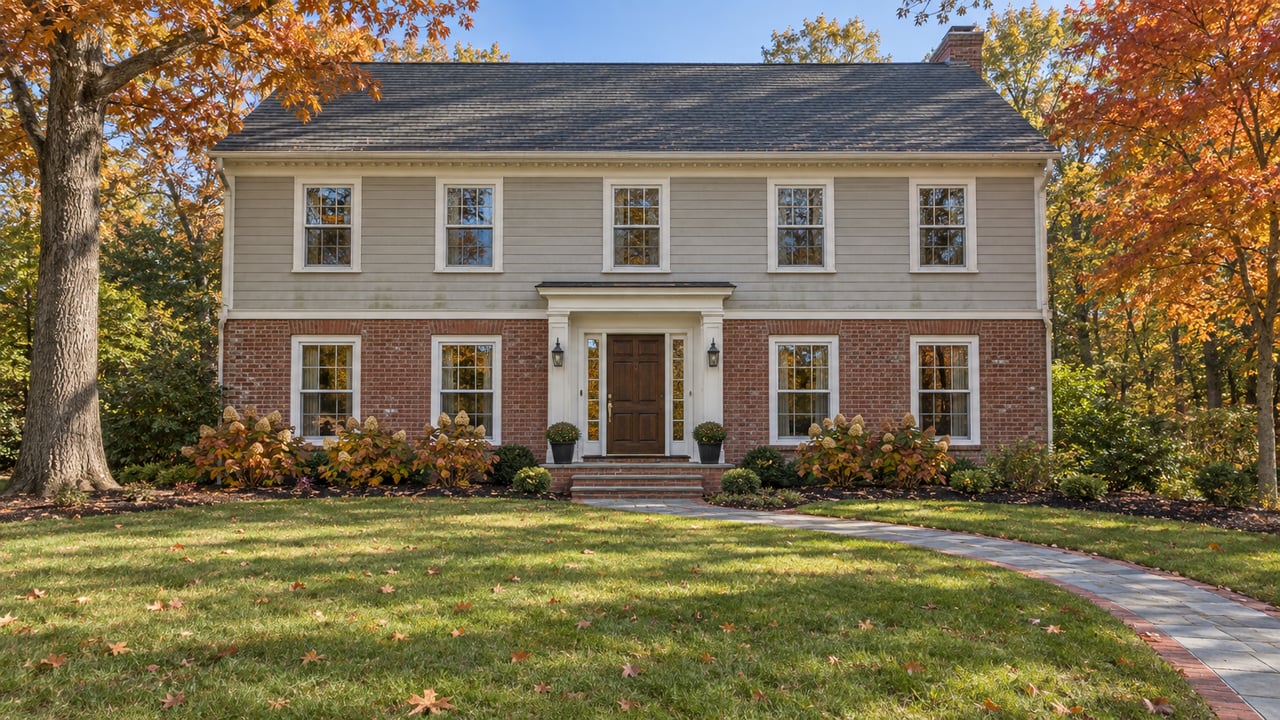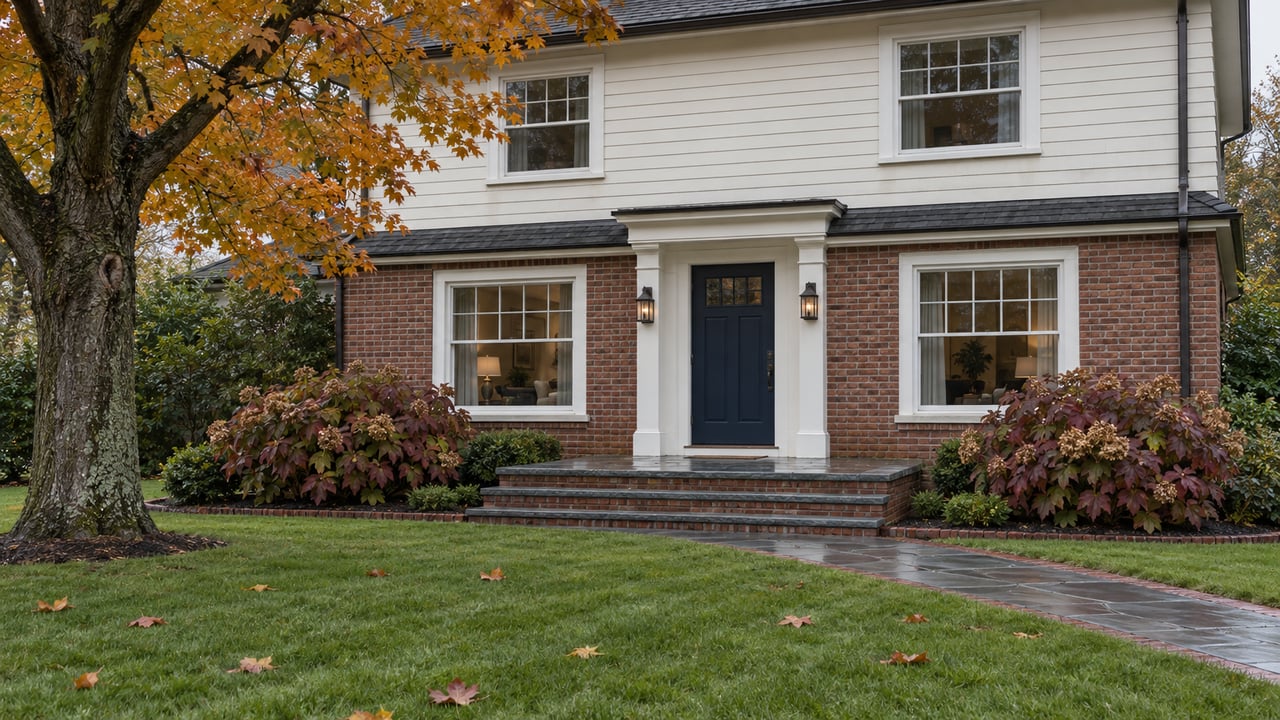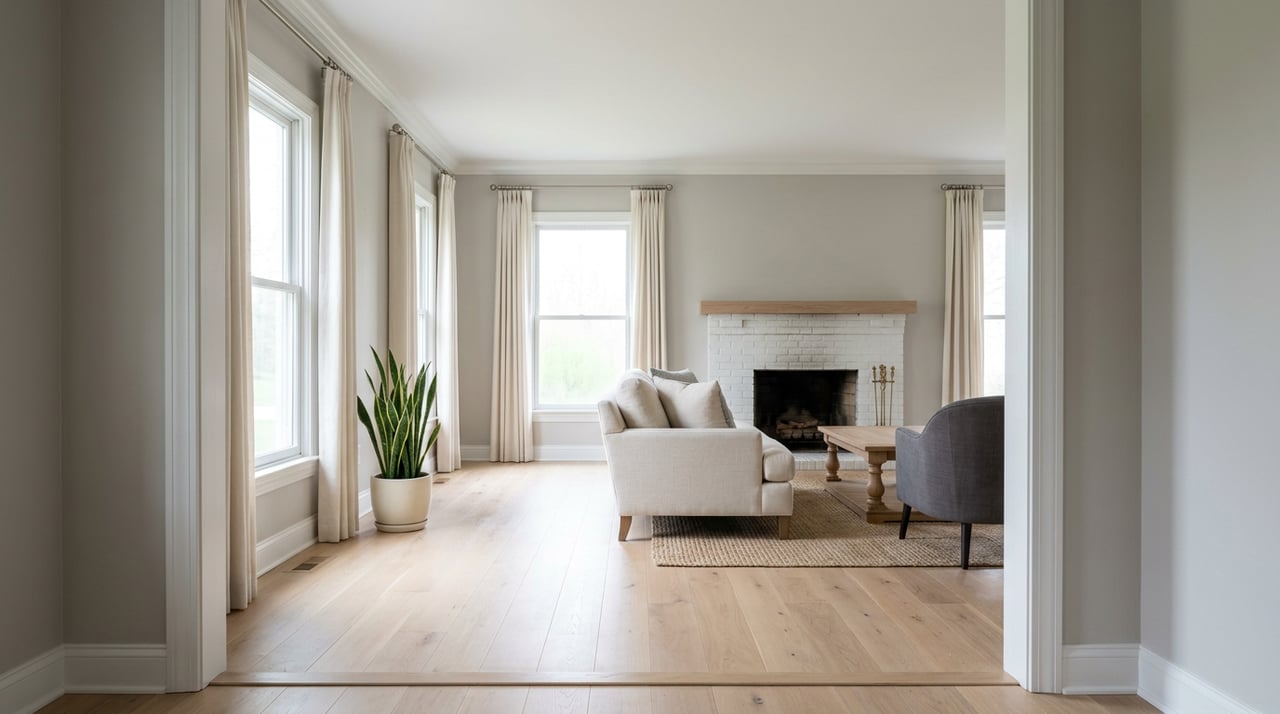
Who pays the so-called mansion tax when a Wyckoff home sells above a million dollars? Ask anyone who closed on a house here before the summer of 2025 and they will tell you, with total confidence, that it is the buyer's problem. They would be wrong today, as Saul Ewing explains, and the reason it matters in Wyckoff specifically has less to do with tax policy and more to do with where this town's home prices already sit.
The Assumption That Just Expired
New Jersey created the mansion tax back in 2004. For two decades it worked the same way everywhere in the state: a buyer closing on a home subject to the fee paid a flat 1 percent fee on top of everything else, and the seller never had to think about it. It was baked into the buyer's closing costs, a line item that sellers could mostly ignore when they set an asking price.
That arrangement ended on July 10, 2025. Governor Phil Murphy signed legislation that flipped the fee, now officially called the Graduated Percent Fee, from the buyer's column to the seller's. As NJ REALTORS explains, a short transition window covered contracts fully executed before July 10, 2025, with deeds recorded by November 15, 2025, and that window has since closed.
What Changed, in Plain Terms
Two things happened at once, and both work against a seller.
First, the obligation to pay moved to the seller. Second, the flat 1 percent became a tiered schedule that climbs as the sale price climbs, and, as Matus Law Group explains, the tier you land in taxes your entire sale price, not just the portion above the threshold.
That last point about the full price, not just the excess, is the part attorneys keep having to explain twice. As Morgan Lewis explains, a home that sells for exactly $2,000,000 owes 1 percent, or $20,000. Push the price to $2,020,000 and the entire sale now falls in the 2 percent bracket, which means $40,400 is due. A $20,000 increase in sale price just doubled the seller's tax bill. That is not a rounding quirk. It is a cliff.
Why This Lands Differently in Wyckoff
None of this would matter much to a typical Wyckoff seller if the town's homes still traded well under a million dollars. They do not anymore.
Sale price data through 2026 puts Wyckoff's median home sale in April 2026 at $1,272,500, and the trailing twelve months ending mid-2026 put the median sale price at $1.2 million, up 11 percent year over year. Asking prices have moved around some month to month, with the median list price for August 2026 closer to $1.12 million, but the pattern holds either way: the middle of the Wyckoff market is not near the mansion tax threshold. It is inside it.
That is a meaningful shift from what this fee was designed to catch. When it launched in 2004, a $1 million threshold was built to touch only the most expensive properties in the state. In a town where the median sale now clears that number, the fee has quietly become a tax on the ordinary Wyckoff transaction, not the exceptional one.
Homes.com quoted Adam DeFino, broker of record at DeFino Realtors and a Wyckoff resident, describing the range inside a single neighborhood this way:
"You can get a small cape in a great neighborhood for $650,000 or a 2 million dollar home in the same neighborhood."
That spread is exactly why the tiered structure matters street by street here, not just townwide. A seller listing a colonial near the $2 million mark is not just negotiating price anymore. They are negotiating which side of a tax cliff they land on.
What This Means If You're Pricing Near a Threshold
If a Wyckoff home is likely to sell anywhere close to $1 million, $2 million, or the tiers above it, the math changes how a listing should be priced and negotiated.
A seller weighing an offer at $1,995,000 against one at $2,015,000 is not just weighing $20,000 in sale price. They are weighing that $20,000 against roughly $20,000 in additional tax exposure once the higher offer pushes the full price into the next bracket. On paper the higher offer looks better. After the fee, it might not be.
A few practical steps follow from this:
- Know which tier your expected sale price falls into before you set an asking price, not after an offer arrives.
- If offers are clustering near a tier boundary, run the net proceeds on both sides of that line before accepting either one.
- Loop in a real estate attorney early if your home could reasonably sell above $2 million. The New Jersey Division of Taxation says the fee is calculated and filed at the county recording office through Form RTF-1EE, and it is due when the deed records.
- Remember that this fee sits on top of New Jersey's standard Realty Transfer Fee, which sellers have always paid. The two are separate costs, both now the seller's responsibility.
None of this changes whether a home is worth listing. It changes what a seller should expect to walk away with, and that number belongs in the conversation before a listing goes live, not after a buyer's attorney raises it during review.
FAQ
Does this apply to every home sale in Wyckoff? Only sales above the threshold. Below that threshold, neither the mansion tax nor its graduated schedule applies. Given where Wyckoff's median sale price currently sits, a large share of typical transactions here now clear that line.
I'm a senior selling my home. Is there a discount? The New Jersey Division of Taxation lists partial Realty Transfer Fee exemptions for qualifying sellers who are 62 or older, blind, or disabled. The Graduated Percent Fee, the tiered fee described here, does not carry that same discount. The two fees are calculated separately, and only one of them offers senior relief.
Are any sales exempt entirely? Yes, in limited cases. Transfers between spouses, transfers to or from a government body, and sales to qualifying nonprofit organizations are generally exempt from the Graduated Percent Fee. Most arm's length sales between unrelated buyers and sellers do not qualify for these exemptions.
What happened to the refund window for sellers caught mid-transaction? That grace period applied only to contracts fully executed before July 10, 2025, with deeds recorded by November 15, 2025, and it has since closed. Every sale closing today falls under the new seller-pays, tiered structure with no transition relief remaining.
This is exactly the kind of detail that gets missed until it shows up on a closing statement. A seller who prices a home based on last year's assumptions about who pays what can find several thousand dollars, or in some cases tens of thousands, unaccounted for at the table. If you're weighing a sale in Wyckoff and want a clear picture of what a specific price point actually nets you after this fee, Joseph Simone can walk through the math with you before you list. Request a free home valuation and local market consultation to start that conversation.
This article is general information, not legal, tax or financial advice. Consult a qualified professional about your situation.