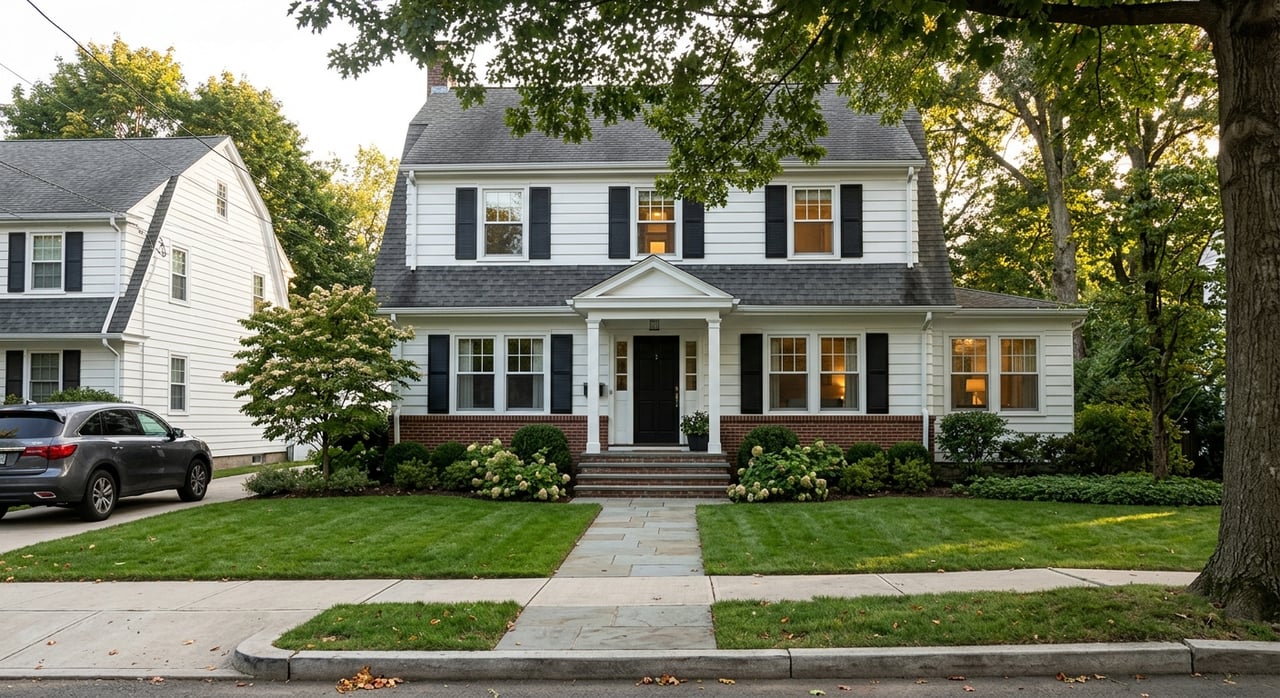
Ever wish you did not have to choose between walkable streets and a quieter place to come home to? That is a big reason Montclair keeps drawing attention from buyers across North Jersey. If you are trying to understand what makes this Essex County township feel both lively and grounded, this guide will show you how Montclair blends commuter convenience, cultural energy, and classic residential character. Let’s dive in.
Why Montclair Feels Like Both
Montclair has a population of about 41,076 as of the 2024 estimate, and its identity is shaped by more than one kind of daily experience. You can spend part of your day in a busy business district, then head a few blocks away to tree-lined residential streets and park space. That contrast is part of what makes the town stand out.
The phrase “where the suburb meets the city” is not just branding language. It reflects how Montclair is organized, with multiple commercial districts, rail access, arts venues, and established neighborhoods all working together. For many buyers, that creates a lifestyle that feels flexible instead of one-dimensional.
Six Districts Shape Daily Life
One of the clearest reasons Montclair feels balanced is its six business and shopping districts. Each one serves a different role, so the town does not depend on a single downtown area for all of its activity. That gives you more ways to experience Montclair depending on where you live and how you spend your time.
Montclair Center Brings Activity
Montclair Center is the township’s largest district. It includes the art museum, a concert venue, a cinema, the library, shops, cafés, and parking, which gives it a strong all-day presence.
Montclair Center BID says it represents more than 400 retailers and restaurants along Bloomfield Avenue and nearby streets. That kind of concentration adds to the town’s urban feel, especially if you enjoy having dining, errands, and entertainment close together.
Upper Montclair Adds Convenience
Upper Montclair is known for Tudor-style shops and restaurants, plus a cinema showing both feature and arts films. It also offers access to New York Penn Station through the Upper Montclair Train Station.
For buyers who want a neighborhood feel without losing commuter access, this area helps explain Montclair’s appeal. It combines local businesses, recognizable architecture, and transit in a way that feels active but not overwhelming.
Watchung Plaza Feels Local
Watchung Plaza includes an independent bookstore, neighborhood shops and restaurants, a coffee house, and the Watchung Avenue Train Station. It is the kind of district that can become part of your everyday routine.
That matters because Montclair’s energy is not limited to one crowded core. Instead, it is spread across smaller pockets that support a more residential rhythm.
Walnut-Grove Connects Food And Culture
Walnut-Grove includes galleries, artisan bakeries, restaurants, and the Saturday Montclair Farmers’ Market at the Walnut Street station. That mix adds another layer to the town’s city-like feel.
At the same time, a district like this can still feel neighborly and easy to navigate. You get activity and variety without losing the comfort of a smaller-town setting.
Frog Hollow And South End Add Range
Frog Hollow includes restaurants and Edgemont Memorial Park, while South End features a small-shop, small-restaurant setting and the MLK Peace Garden. These areas show that Montclair’s personality is spread out, not concentrated in just one place.
For buyers, that usually means more lifestyle options. Some people want to be close to a busier commercial area, while others prefer a quieter pocket with easier access to green space.
Transit Supports The City Side
Montclair’s transit access is another reason it feels more connected than many suburban towns. NJ Transit’s Montclair-Boonton line serves local stops including Bay Street, Upper Montclair, and Walnut Street.
That rail access can make daily routines feel more urban in the best sense. You are not relying only on car trips for every errand or commute, and that changes how a town functions.
Transit also influences how different parts of Montclair feel. Areas near stations often carry a little more movement and convenience, while nearby side streets can still feel settled and residential.
Arts And Events Keep Montclair Active
Montclair has a broad cultural footprint for a suburban township. The township’s arts listings include the Montclair Art Museum, Montclair History Center, Montclair State University, Peak Performances, the Yogi Berra Museum and Learning Center, the George Segal Gallery, the Wellmont Theater, Presby Memorial Iris Gardens, Outpost in the Burbs, and Montclair Film.
The Montclair Art Museum, founded in 1914, holds more than 14,000 objects. That kind of long-standing institution adds depth to the town’s identity and helps explain why Montclair often feels more culturally active than a typical suburb.
Montclair also has a steady calendar of public events, including the Montclair Film Festival, the African-American Heritage Parade and Festival, and July 4th celebrations. When a town has recurring events like these, it creates a sense of momentum that buyers often notice right away.
Parks Keep The Pace Manageable
All that activity does not mean Montclair feels nonstop. The township says it has about 175 acres of parks, and its recreation department offers year-round recreational, athletic, and cultural programs for all ages and abilities.
Local parks include Edgemont, Nishuane, Mountainside, Yantacaw, and Rand. Nearby Essex County parks such as Brookdale, Eagle Rock Reservation, and Mills Reservation add even more open-space options.
This is where Montclair’s suburban side becomes especially clear. You can enjoy restaurants, arts, and shopping, then still have access to parkland and quieter outdoor space. The township also notes that some park areas close at sundown, which is useful to keep in mind as you plan your routines.
Housing Reflects Both Lifestyles
Montclair’s housing stock also helps explain its balanced feel. According to the township’s 2025 Housing Element, Montclair is fully developed, and more than 60% of its land area is made up of single-family detached housing.
At the same time, only 49% of occupied housing units are single-family detached. The housing mix also includes duplexes, triplexes, quadplexes, garden apartment complexes, and large apartment buildings.
That combination matters for buyers because it creates more than one way to live in town. If you want a classic single-family home, you will see that inventory. If you want something closer to a district with a different layout or lower-maintenance setup, the town also has options that support that lifestyle.
Older Homes Add Character
Almost 60% of Montclair’s housing units were built before 1940, according to the township’s 2025 housing plan. Many homes are also located in historic or proposed historic districts.
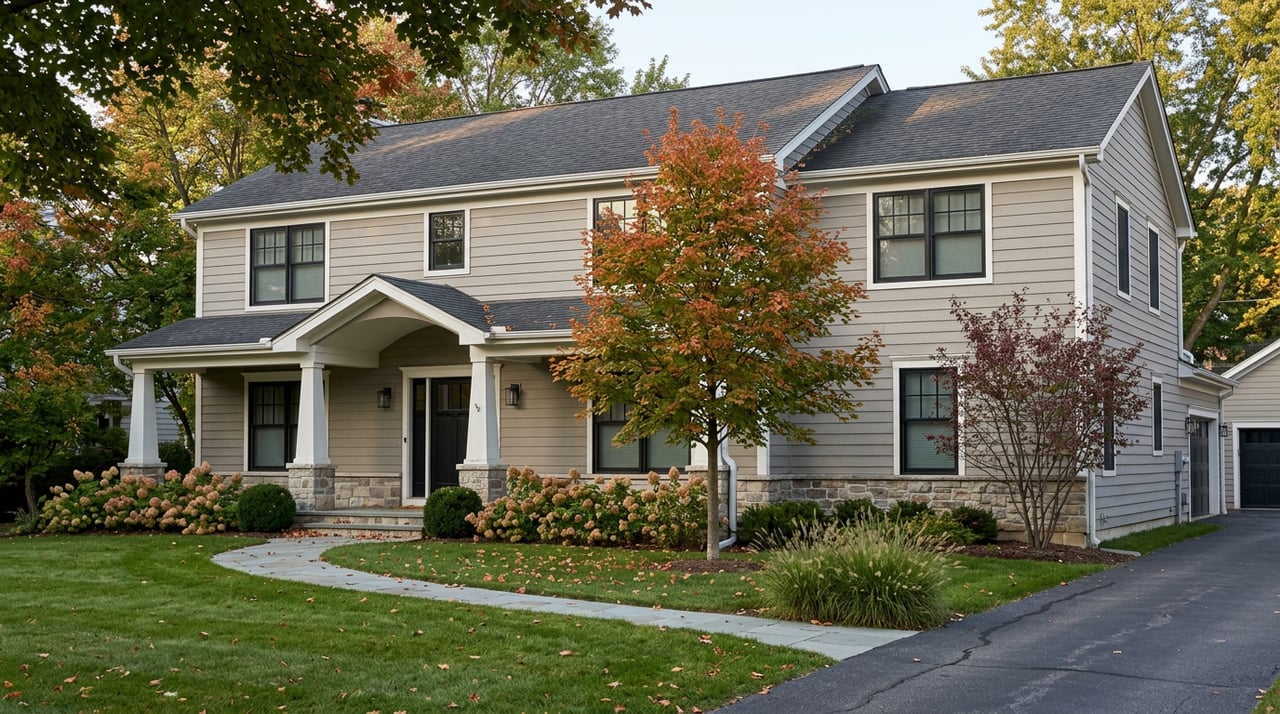
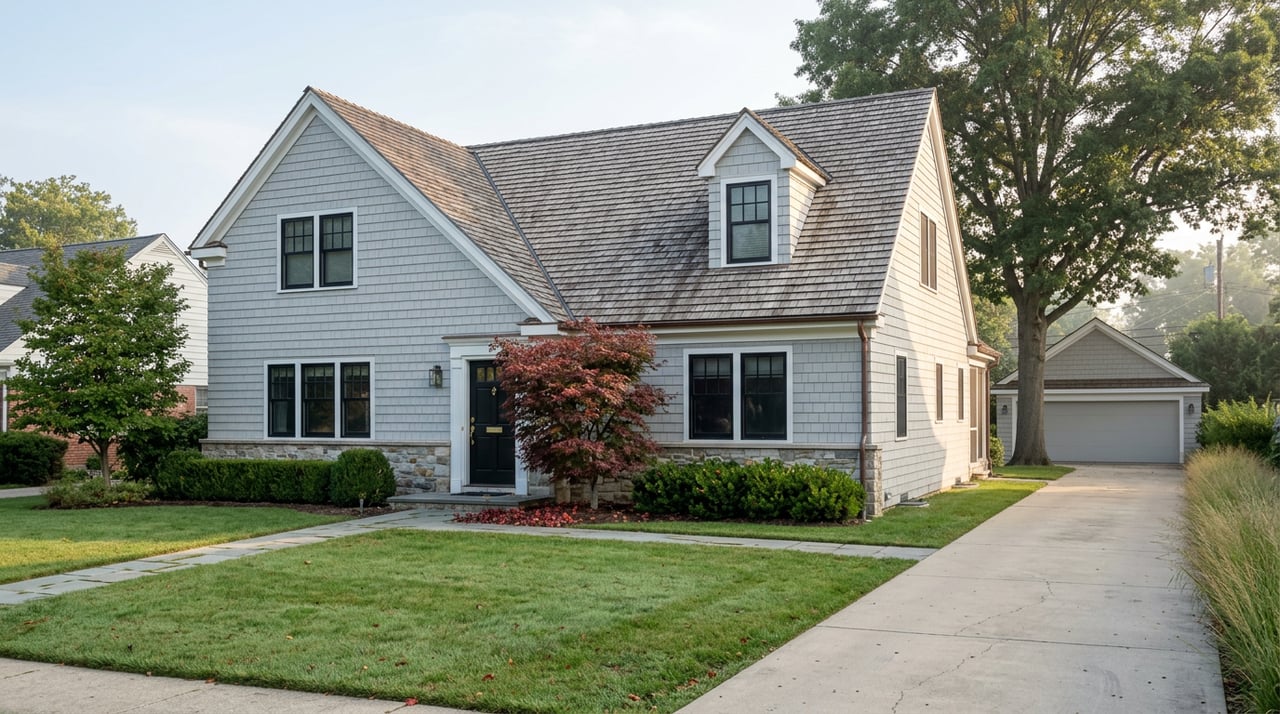
That older housing stock is a big part of Montclair’s look and feel. In the Upper Montclair commuter area, development between 1900 and 1929 introduced styles such as Queen Anne, Craftsman, and Colonial Revival.
Historic district materials also document Vernacular Victorian with Colonial Revival, Colonial Revival, and Tudor Revival examples. For buyers, this often means you are not just choosing a location. You are also choosing among homes with distinct architectural character and very different renovation histories.
Price Points Show Strong Demand
Montclair’s pricing data points to strong values, though the exact number depends on the method used. The U.S. Census Bureau lists the median value of owner-occupied housing units at $850,700 and median gross rent at $2,045.
Other market measures show a wider range. Zillow’s home value index places the average Montclair home value at $1,097,694, Realtor.com lists a recent median for-sale price of $999K, and Redfin lists a recent median sale price of $1.4M.
Because these are different measurements, it is best to view them as a range instead of one exact price. For buyers and sellers, the main takeaway is that Montclair has meaningful price dispersion, and home type, condition, location, and proximity to business districts or transit can all shape value.
What Buyers Should Take From This
If you are considering Montclair, it helps to think less about a single town identity and more about the mix of experiences available to you. Some areas lean more into walkability, dining, and train access, while others lean more into residential calm, older homes, and nearby parks.
That is often the real advantage. You can narrow your search based on how you want your week to feel, not just on square footage or bedroom count.
In practical terms, Montclair may suit you if you want:
- Access to multiple business districts instead of one central downtown
- Train service that supports regional commuting
- A strong arts, dining, and event scene
- Park access and recreation options woven into daily life
- Housing choices that range from historic single-family homes to multifamily and apartment living
Why Local Guidance Matters In Montclair
A town with this much variety can be exciting, but it also takes careful planning. Two homes with similar size may offer very different day-to-day experiences depending on their location, condition, and relationship to transit or a business district.
That is where local insight becomes especially important. If you are buying or selling in Montclair, you need more than broad market averages. You need a clear understanding of what each part of town offers and how buyers are likely to respond to that specific mix of lifestyle and property features.
Whether you are looking for a home with classic architectural character, easier access to Montclair’s commercial districts, or a strategy to position your property in a competitive market, working with an experienced local advisor can help you move with confidence. If you are planning your next move in Montclair or another North Jersey suburb, connect with Joe Simone for a free home valuation and local market consultation.
FAQs
What makes Montclair, NJ feel both urban and suburban?
- Montclair combines six business and shopping districts, NJ Transit rail service, arts venues, public events, residential side streets, and about 175 acres of township parks, which creates both activity and breathing room.
What are the main business districts in Montclair, NJ?
- The township identifies six districts: Montclair Center, Upper Montclair, Watchung Plaza, Walnut-Grove, Frog Hollow, and South End, and each plays a different role in shopping, dining, transit access, and daily life.
Is Montclair, NJ good for commuters?
- Montclair has service on NJ Transit’s Montclair-Boonton line, with local stops including Bay Street, Upper Montclair, and Walnut Street, which supports commuter convenience.
What types of homes are common in Montclair, NJ?
- Montclair includes single-family detached homes, duplexes, triplexes, quadplexes, garden apartment complexes, and large apartment buildings, with many homes built before 1940.
What architectural styles can buyers find in Montclair, NJ?
- Buyers may see Queen Anne, Craftsman, Colonial Revival, Tudor Revival, and other older architectural styles, especially in areas shaped by early 20th-century commuter development.
What is the Montclair, NJ housing market like?
- Available data shows strong values and a wide price range, with measures including an $850,700 median owner-occupied value, a recent $999K median for-sale price, a $1,097,694 average home value index, and a recent $1.4M median sale price depending on source and methodology.